FEATURE / 001
BUILT TO
MOVE.
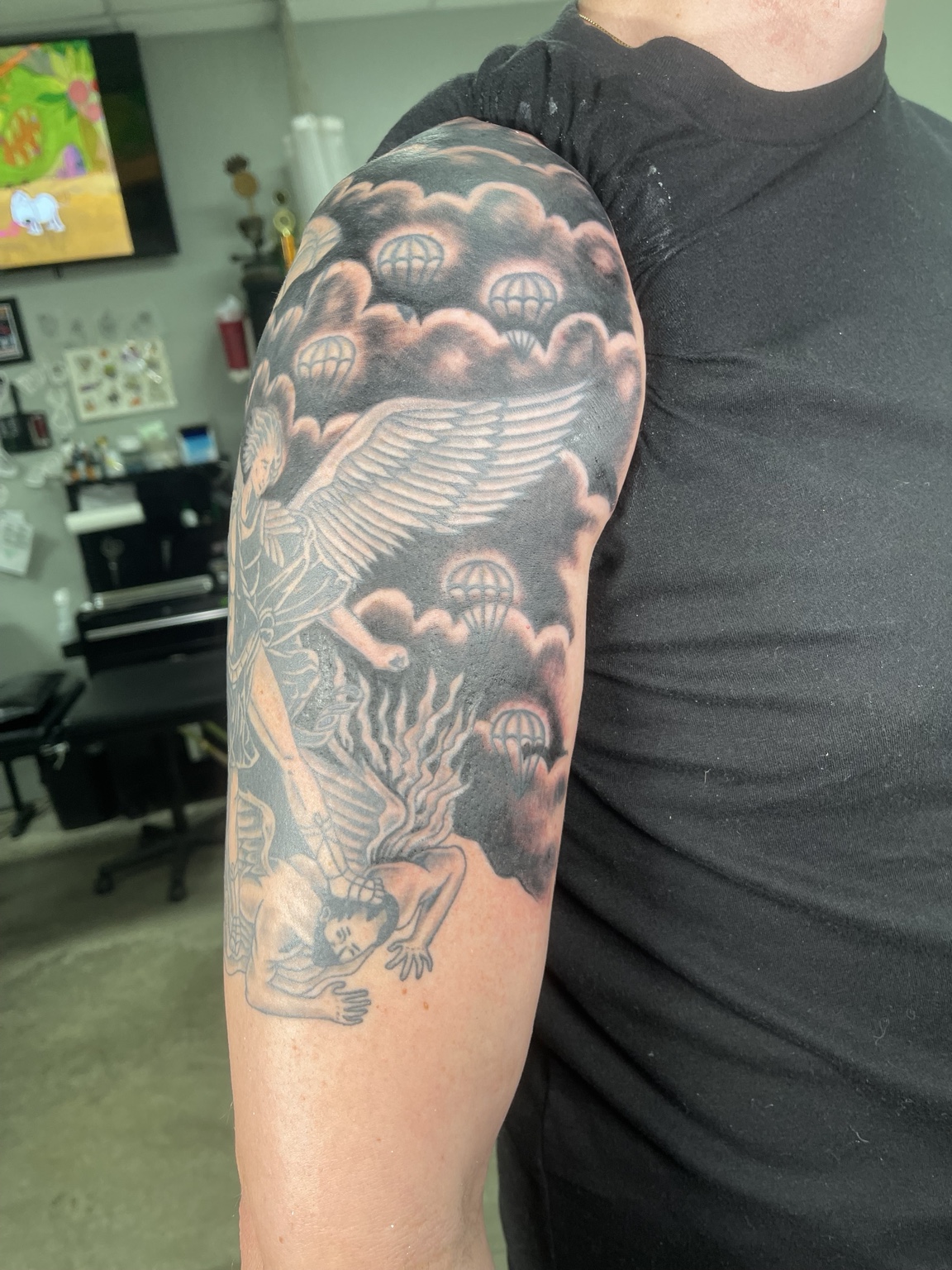
A completed large-scale sleeve selected for composition, movement and the way the design carries across the arm. Earlier process and session records remain inside its archive timeline.
A living archive of tattoos, artwork, process, experiments and the ideas behind more than two decades of making permanent things.
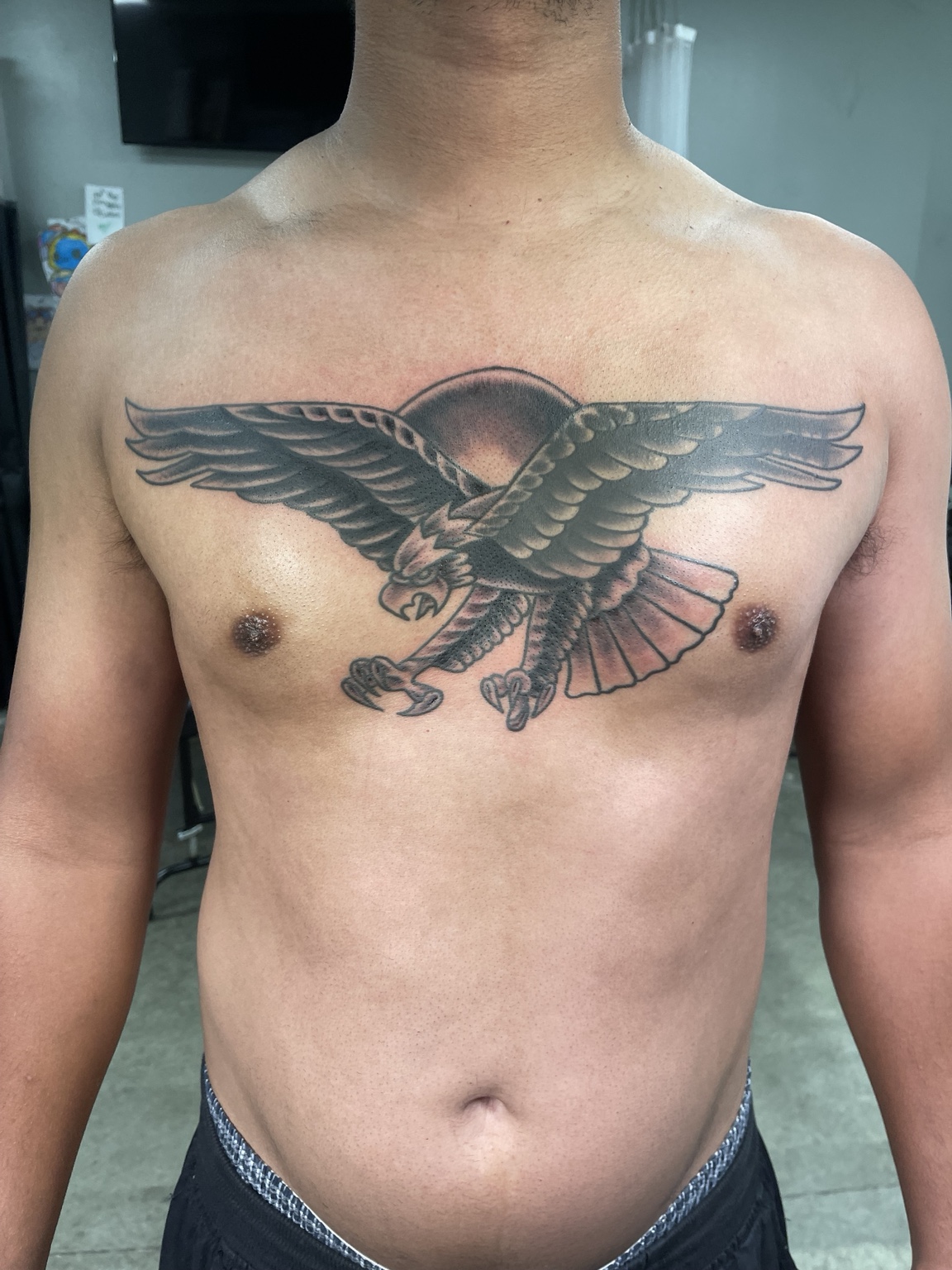
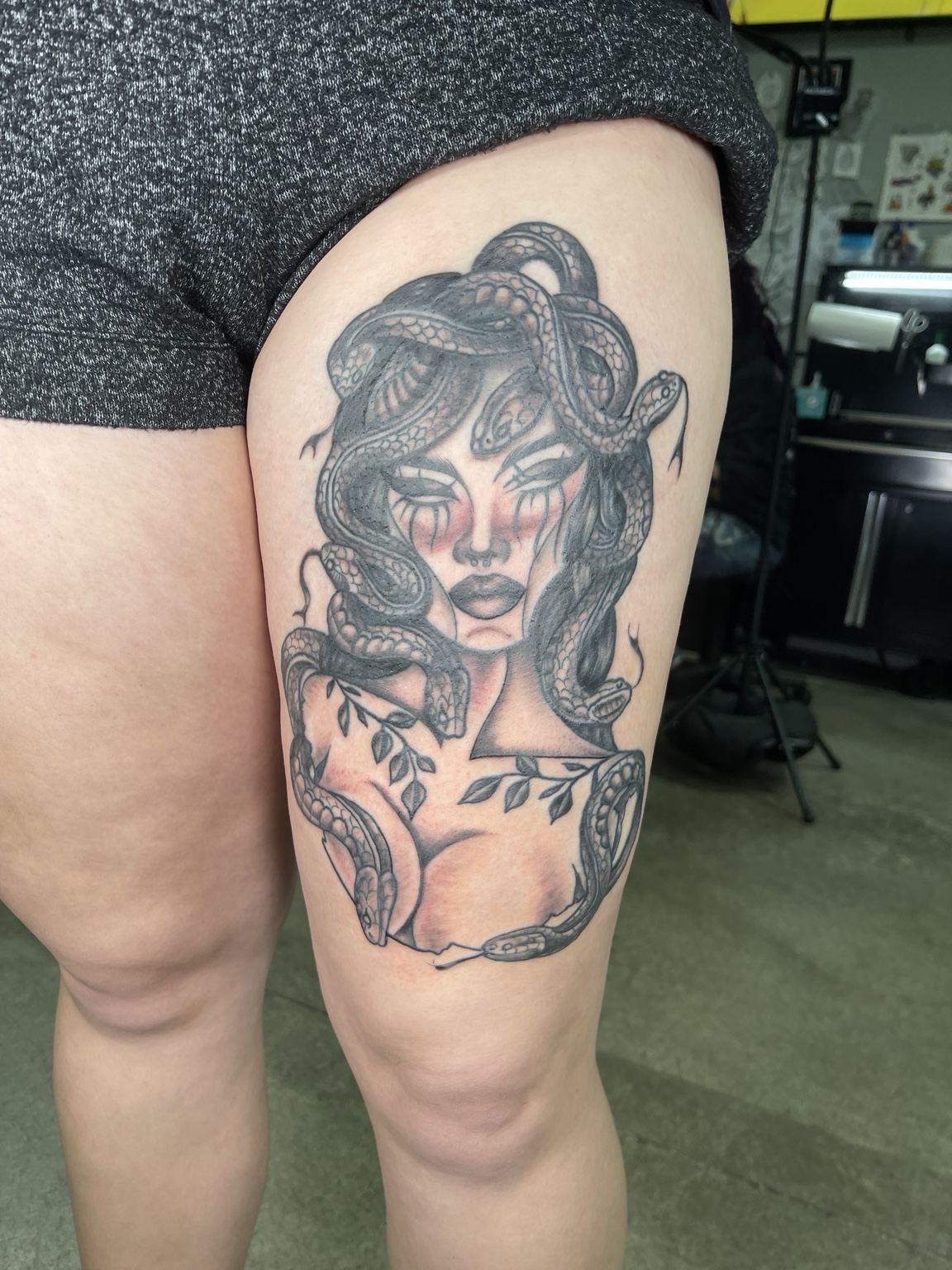
A curated front door: completed, larger-scale tattoo projects only. Process, stencil, marker, fresh-session and unfinished records stay inside the archive timelines.
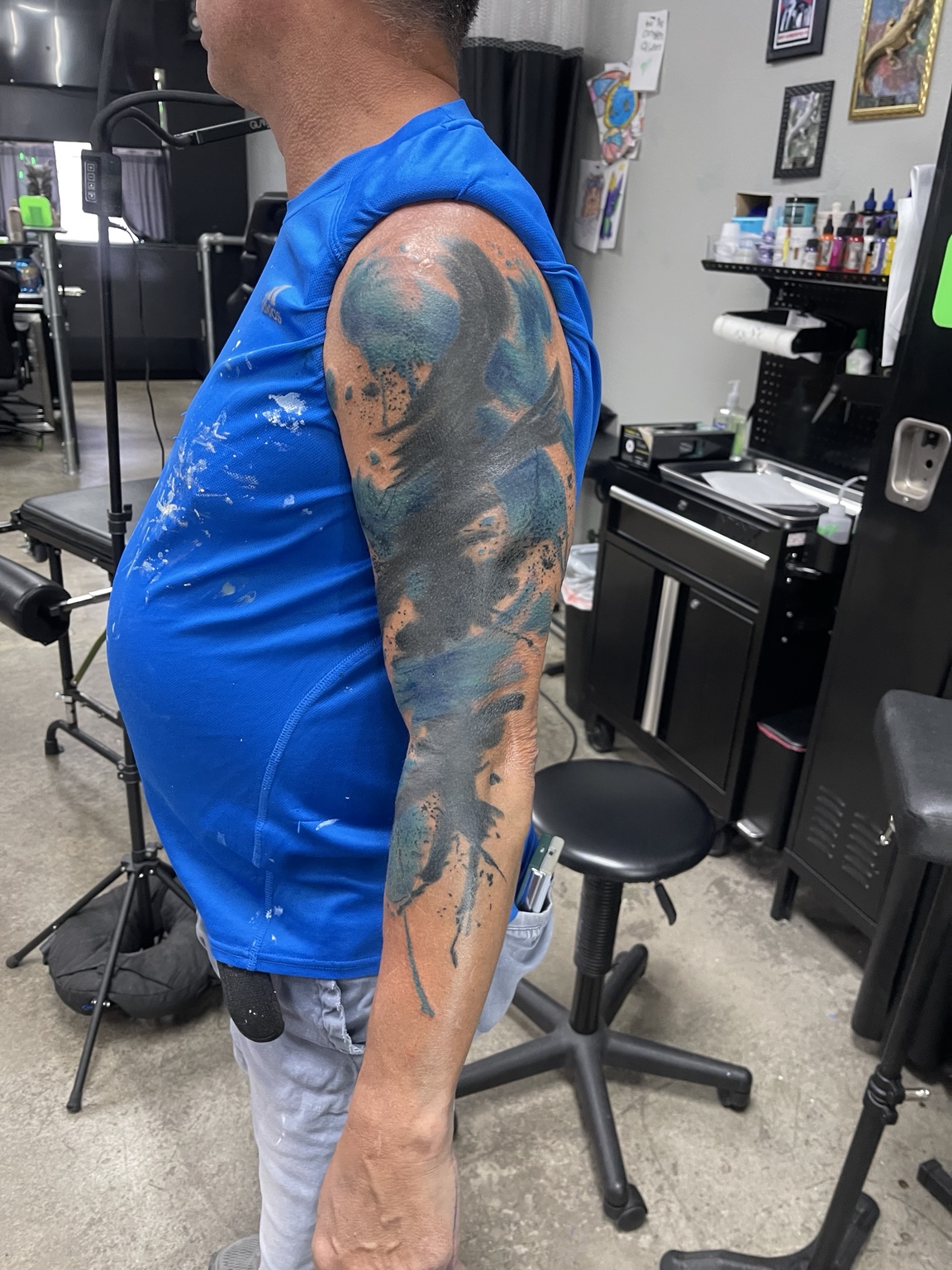
Large-scale blackwork built around movement, negative space and the full arm rather than a flat rectangular composition.
Open project ↗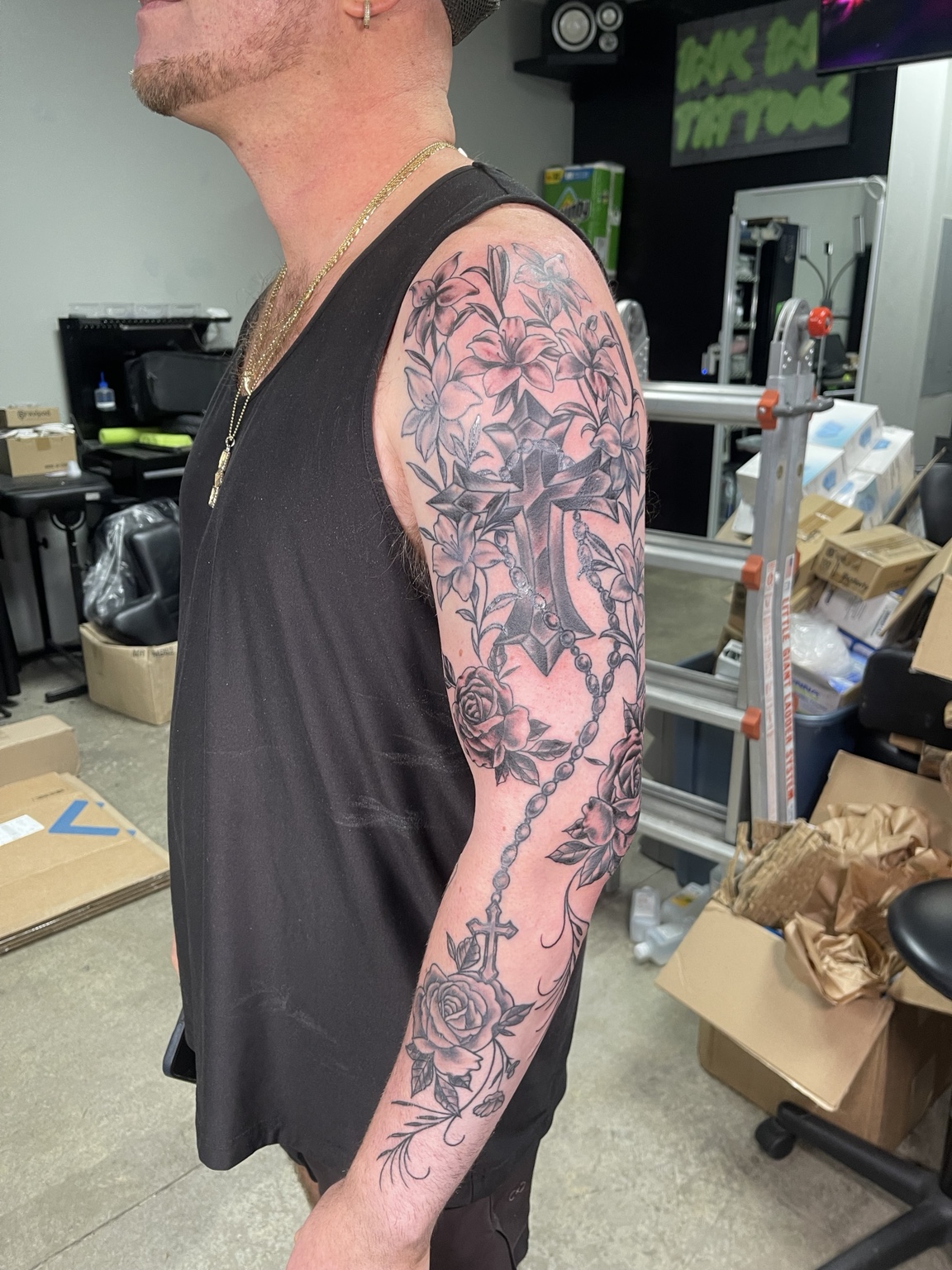
A full-arm composition where transitions, scale and continuity matter as much as any individual element inside the sleeve.
Open project ↗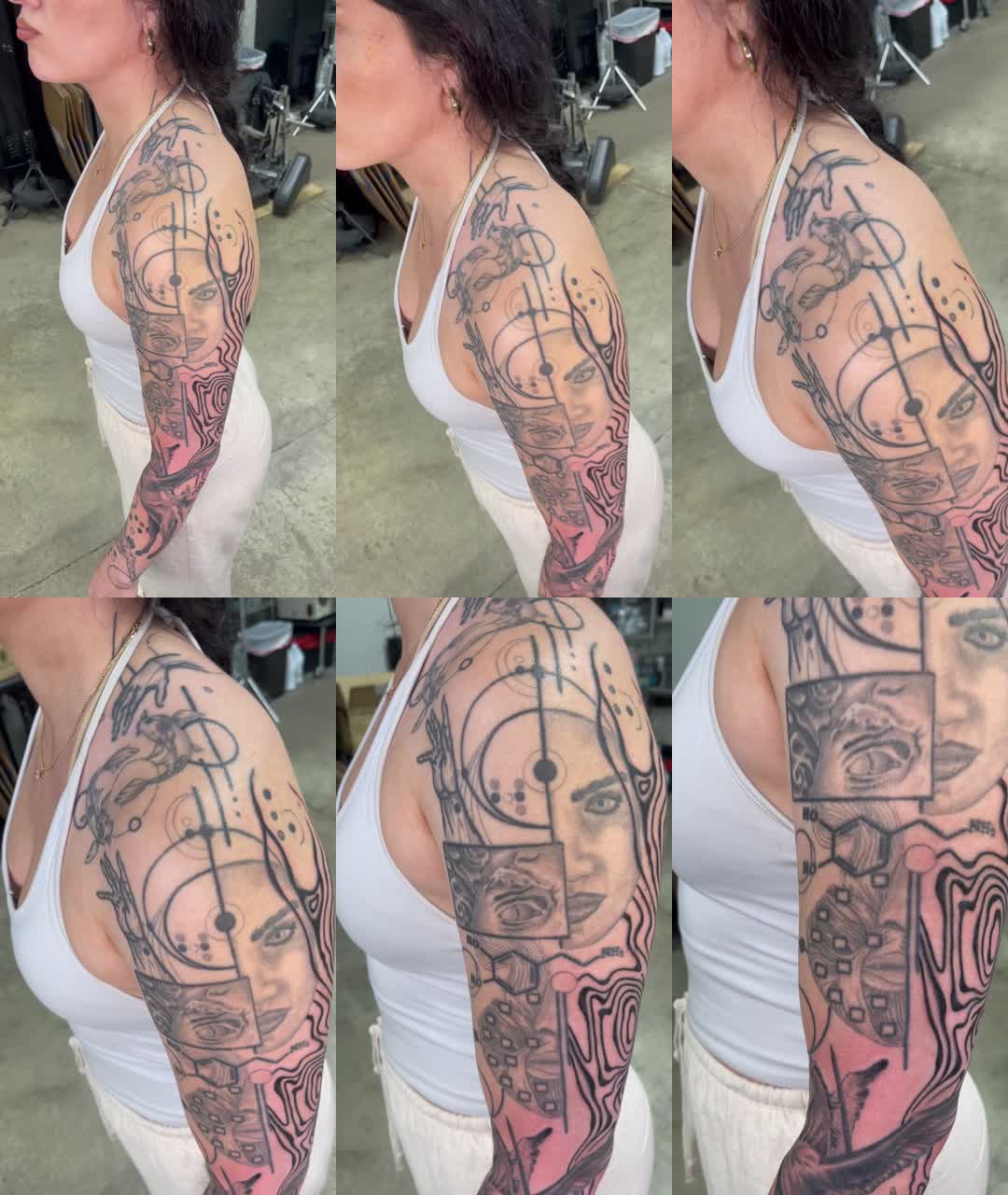
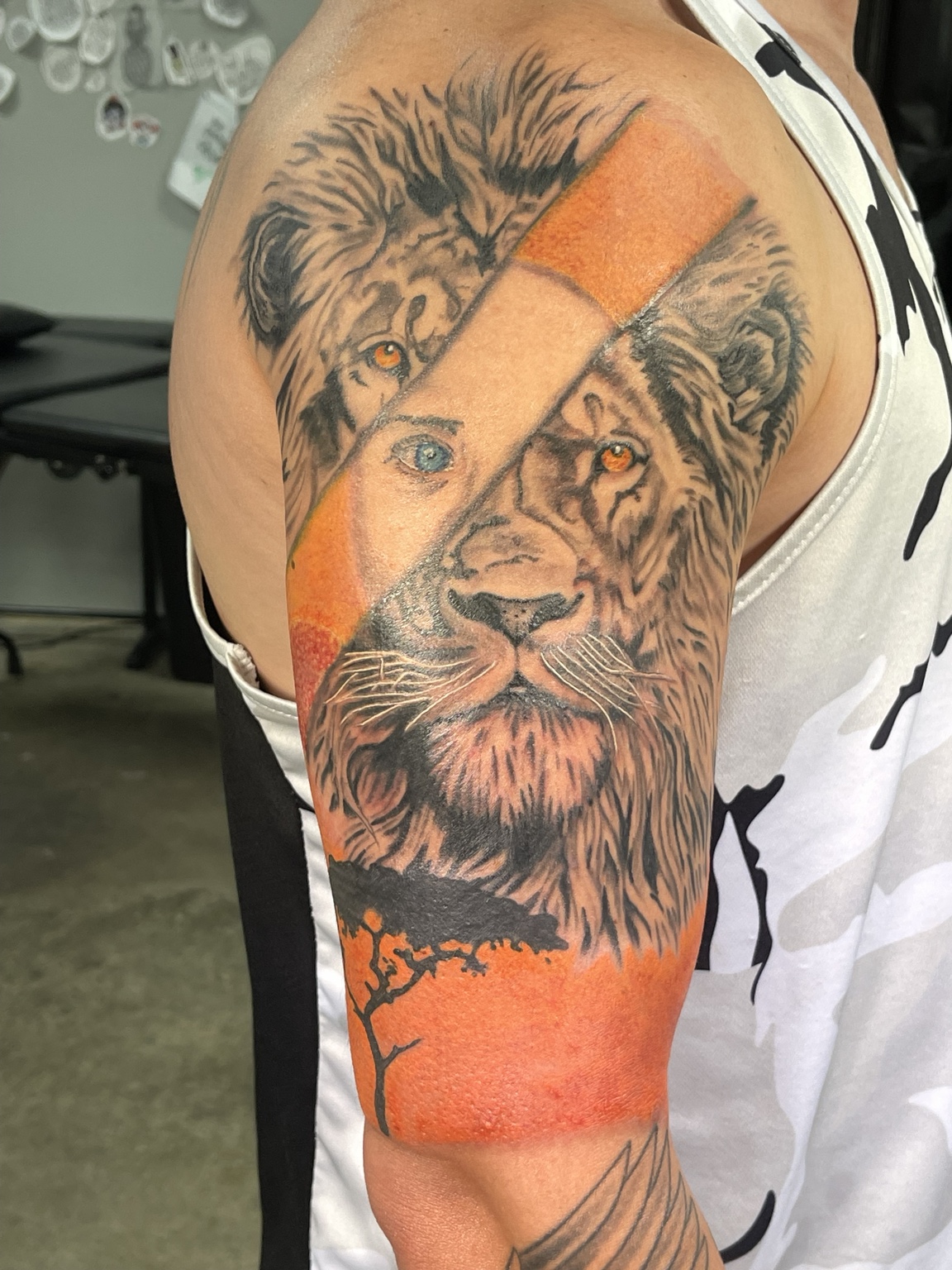
A separate full-arm project mixing portrait imagery with abstract structure, viewed as one continuous sleeve rather than isolated pieces.
Open project ↗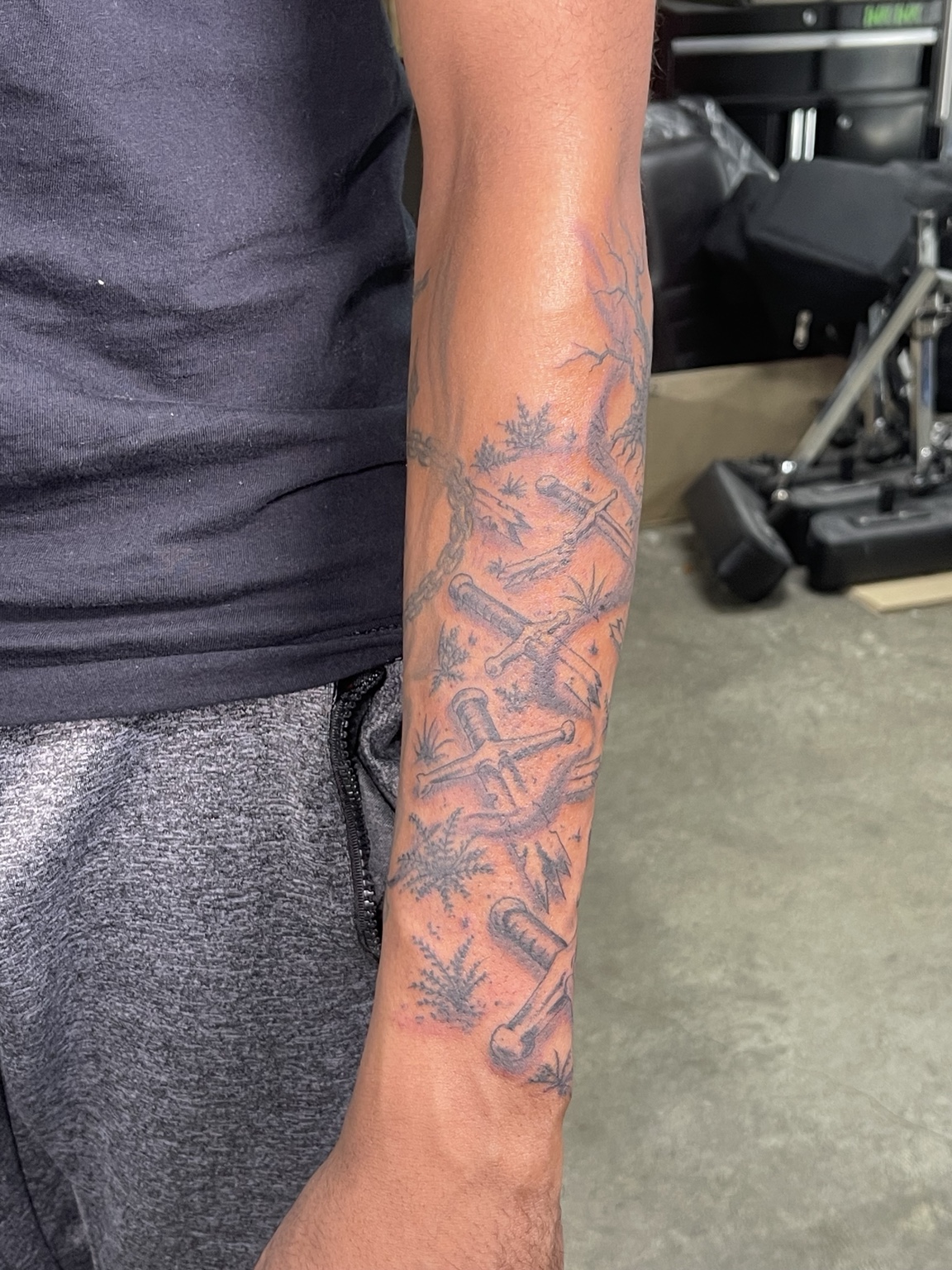
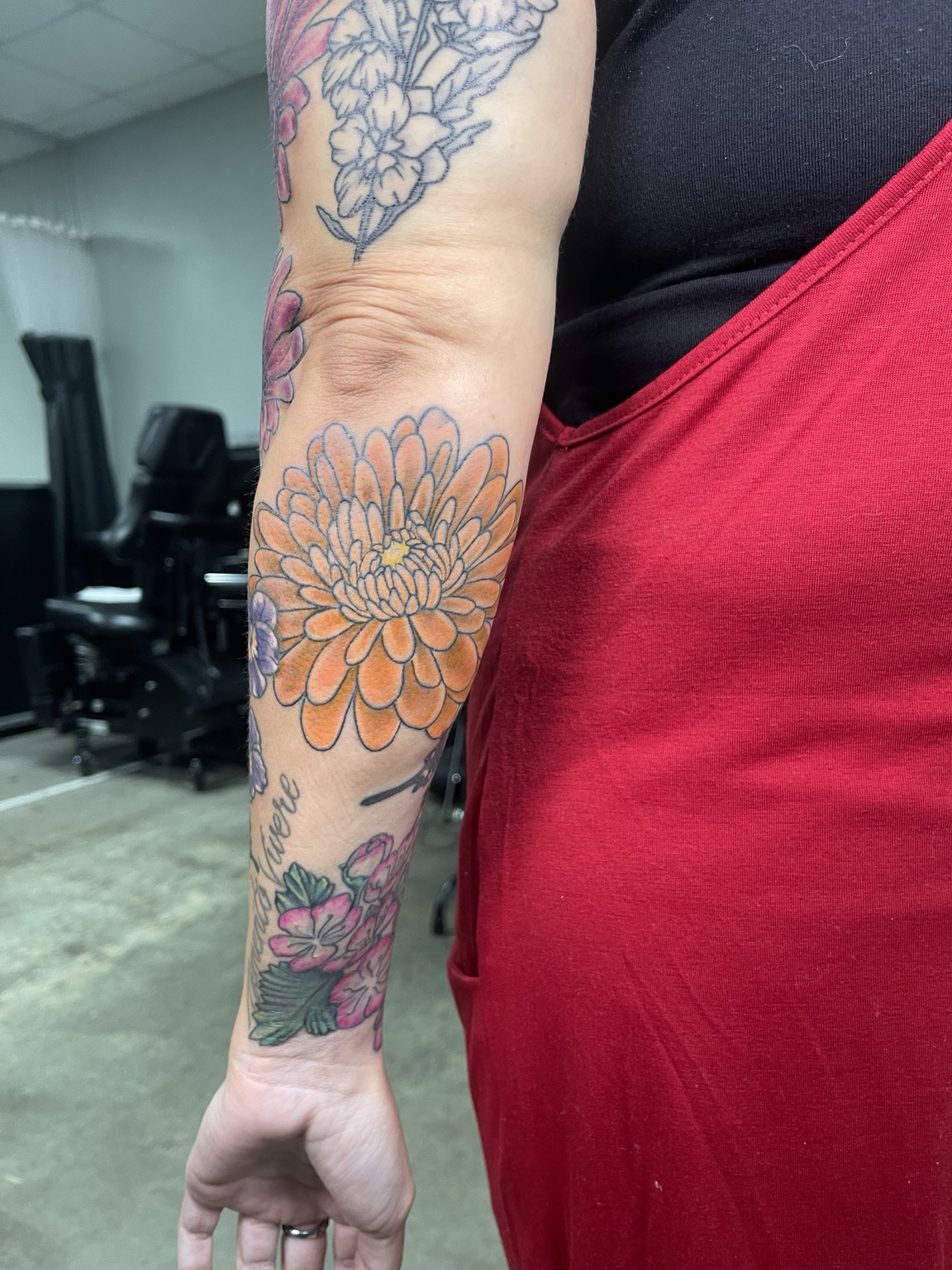
Color carried through the arm with enough room for contrast, transitions and individual forms to remain readable together.
Open project ↗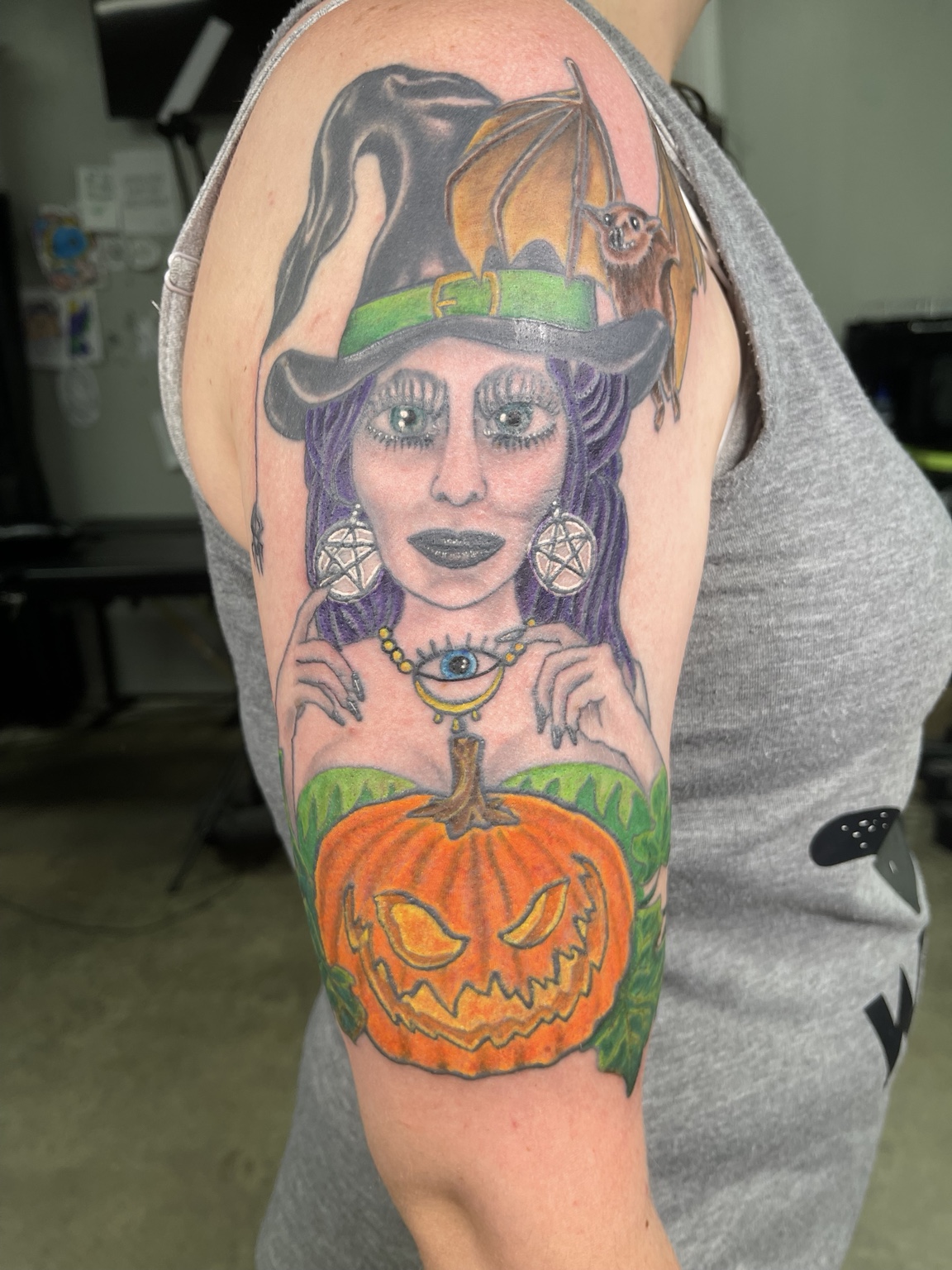
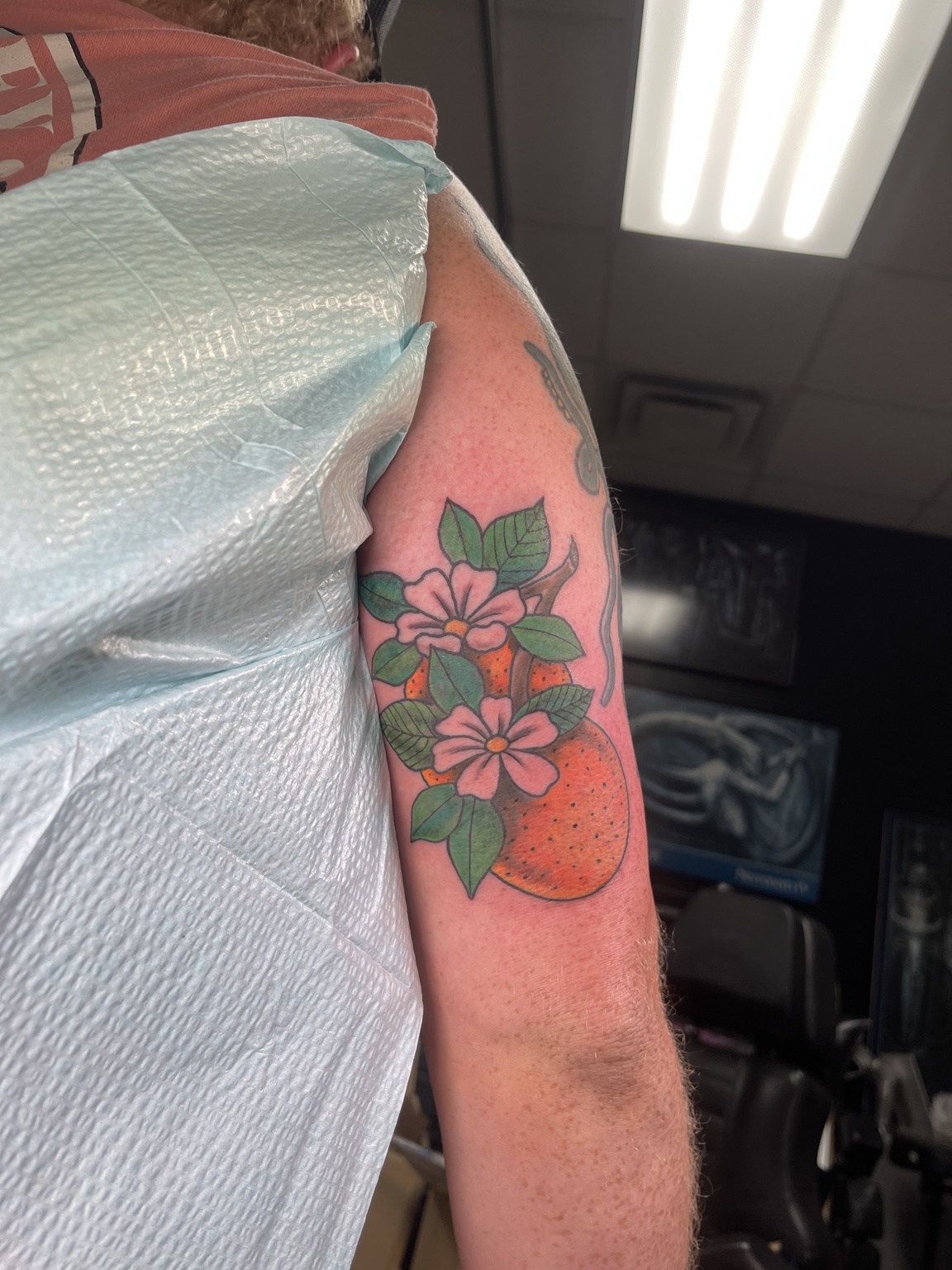
Illustrative color work that uses the shape of the upper arm as part of the composition instead of treating the design like a sticker.
Open project ↗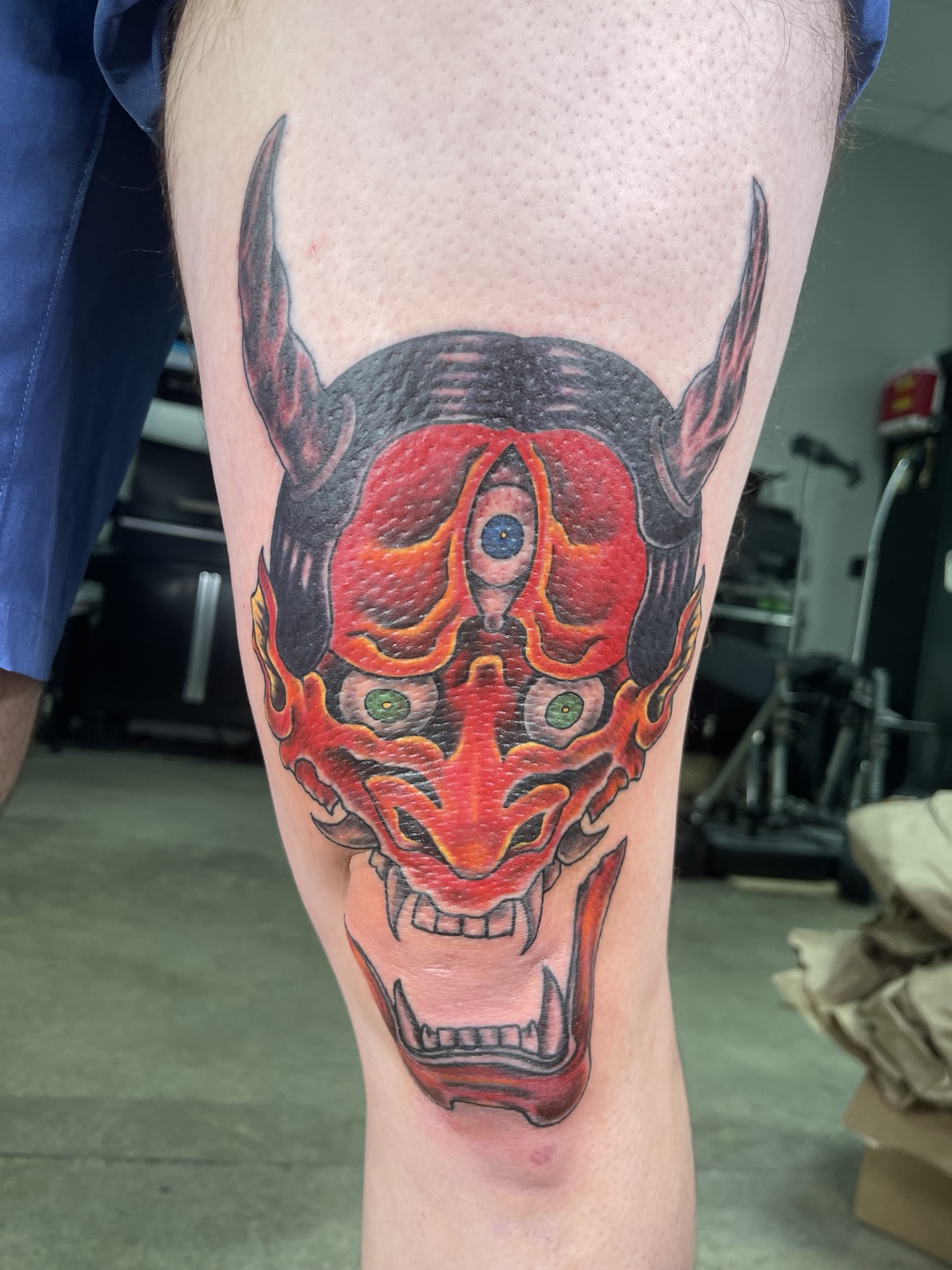
A completed color leg project designed to read from multiple angles, with the leg itself controlling the wrap and visual flow.
Open project ↗A completed large-scale sleeve selected for composition, movement and the way the design carries across the arm. Earlier process and session records remain inside its archive timeline.
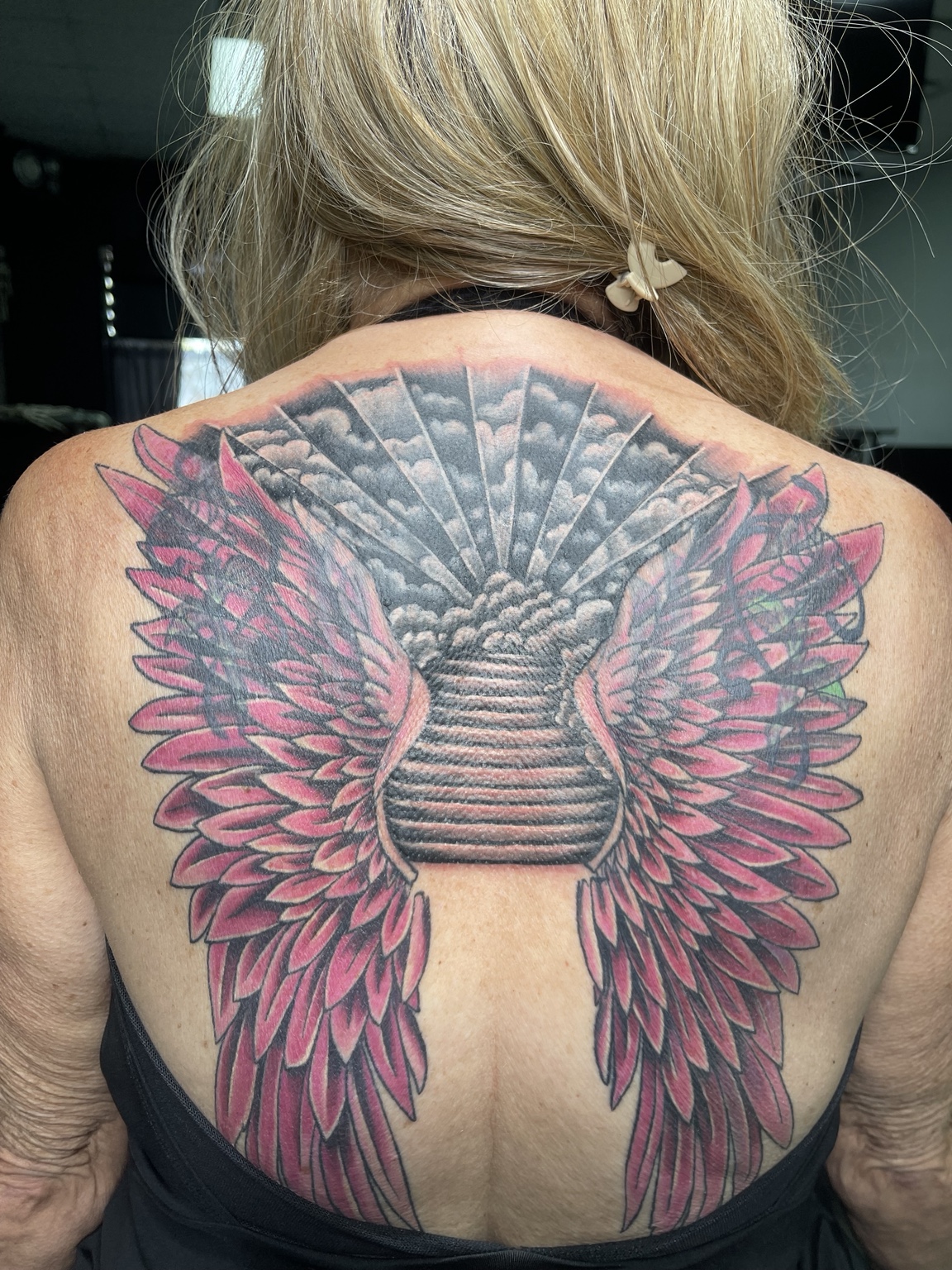
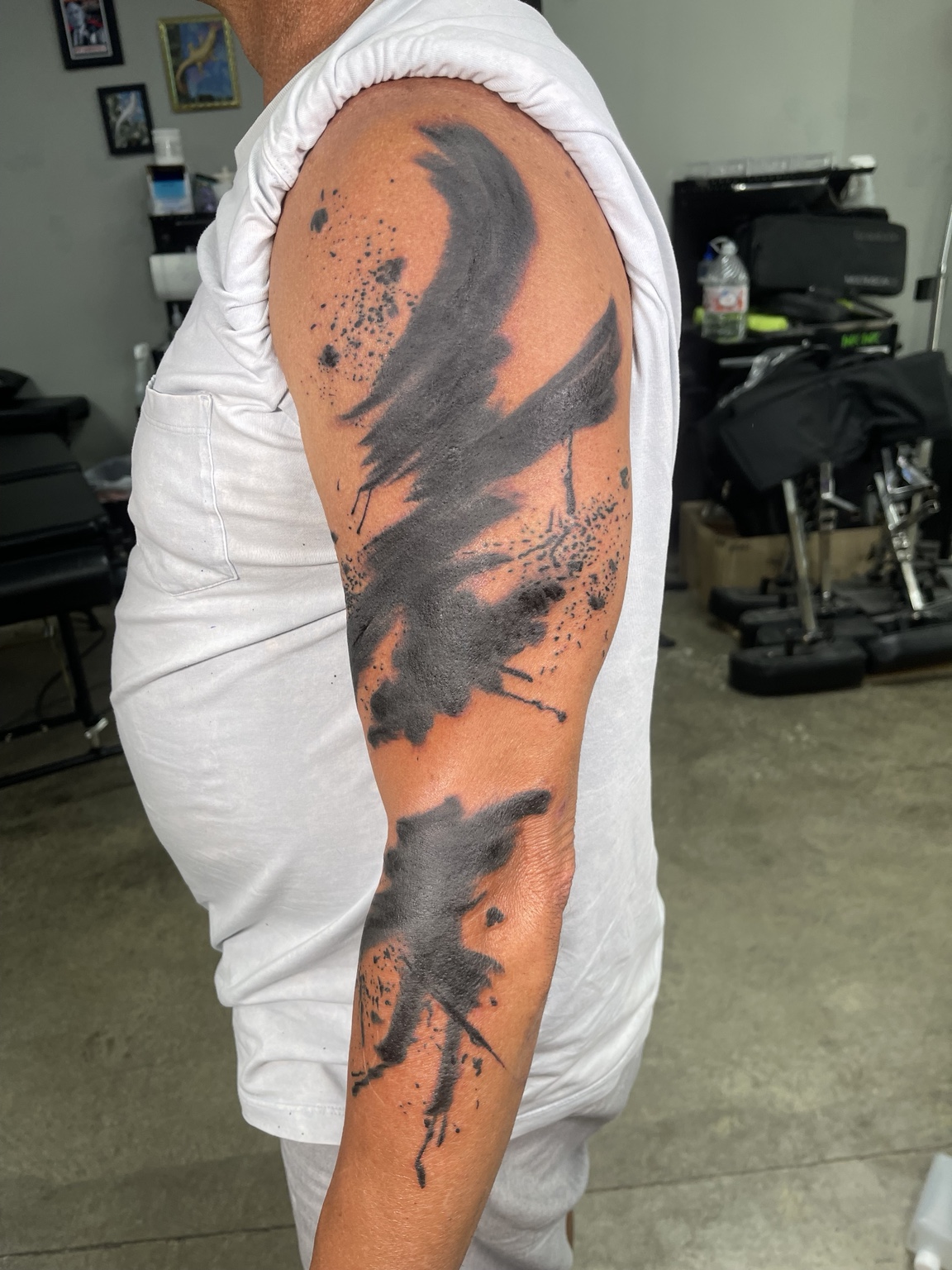
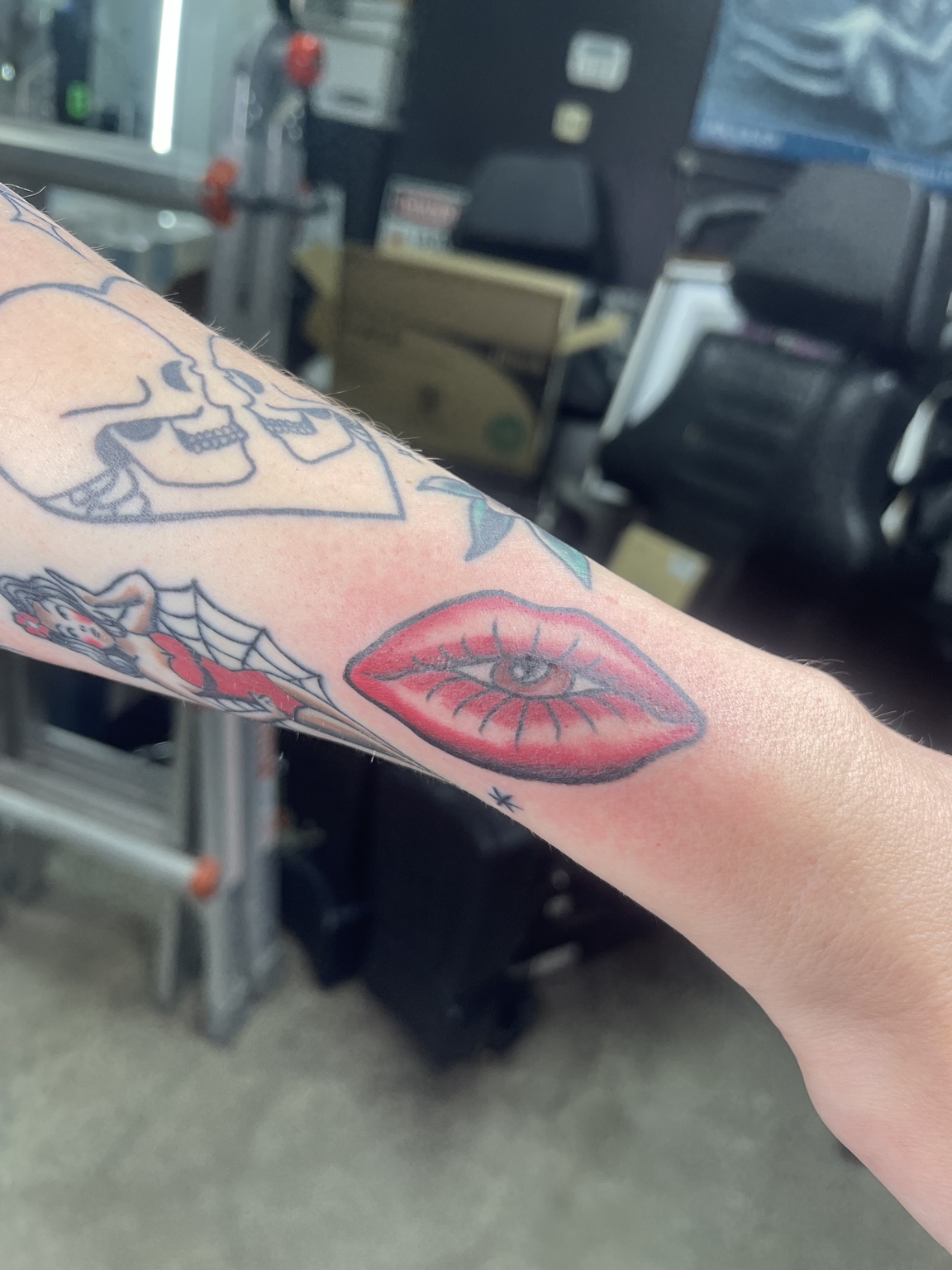
Completed large-format projects from across the career archive. Smaller pieces and unfinished stages have been intentionally removed from the home-page edit.
The complete tattoo record: 1,005 photos and videos across a curated Project Archive, 13 shorter Full Archive volumes, and a By Style index.
A tattoo is a sequence of decisions. The drawing matters, but so do the body, the scale, the reference material, the application, the healing and what happens after you leave the studio.
I call that Ink Architecture: part artist, part builder and part tattoo engineer. The job is to engineer an idea around anatomy, movement, scale, skin and time—then build it so the design still makes sense long after the fresh-photo moment is gone.
Bring the concept, meaning, subject or even a rough thought. The first job is figuring out what absolutely needs to survive into the final tattoo.
Placement changes shape, scale and movement. A good design works with the anatomy instead of pretending the skin is a flat sheet of paper.
References help identify mood, subject, detail and what you do—or do not—want. They are ingredients and communication tools, not something to copy line for line.
The idea gets translated into a tattooable composition: hierarchy, line weight, contrast, negative space, color and the amount of detail the size can actually support.
Scale, readability and longevity get another pass. If the design needs more room, less information or a different approach, this is where the plan gets corrected.
The stencil and body position are checked before tattooing begins. Application is controlled, deliberate and adjusted to the skin instead of forcing every person through the exact same formula.
Fresh is not finished. Proper aftercare, normal healing and patience matter because the real result is the tattoo after the skin has recovered.
Long-term care is simple: protect it from excessive sun, keep the skin healthy and evaluate touch-ups only after the tattoo has fully healed and settled.
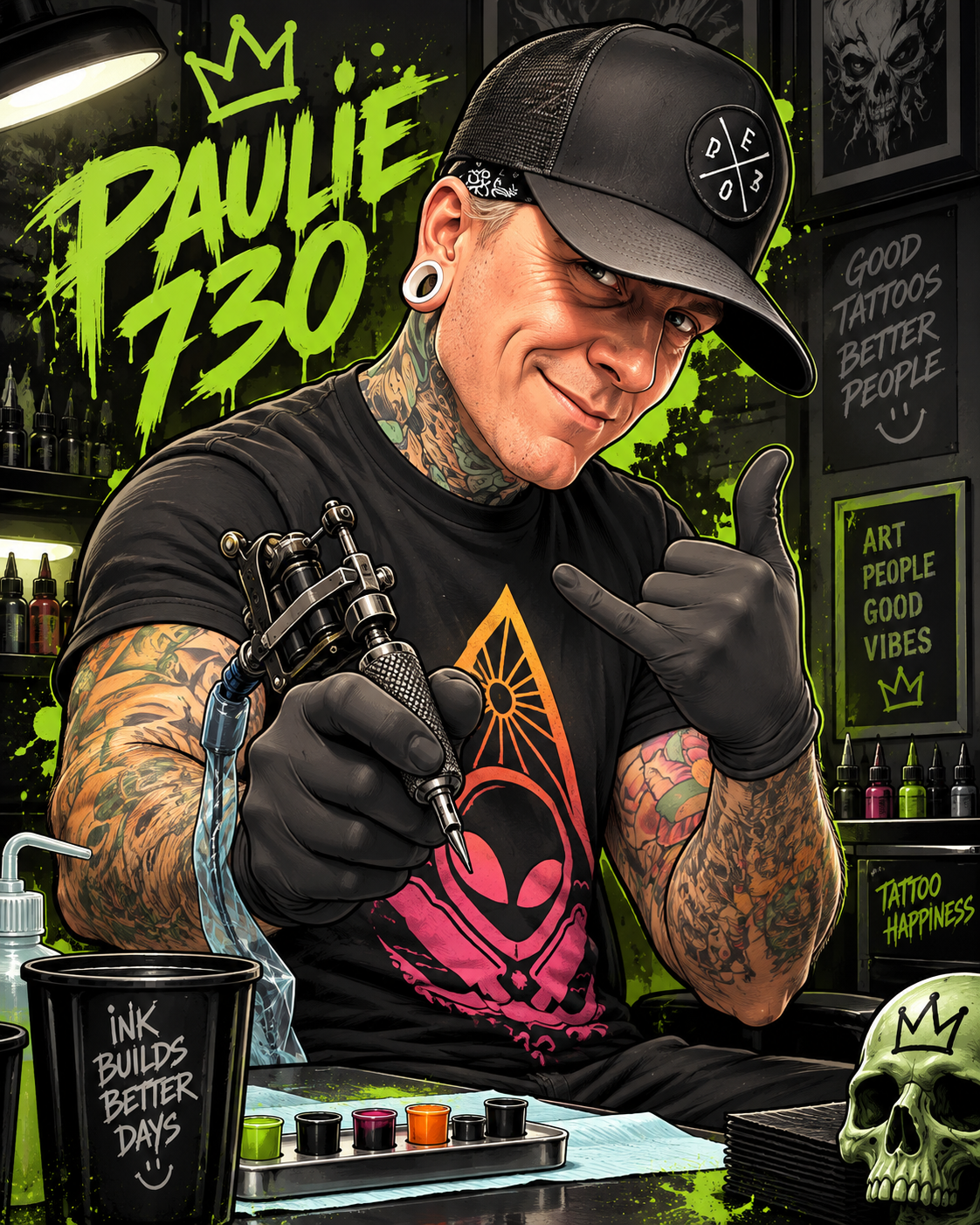
Artist, studio owner, professional piercer, self-described Ink Architect and tattoo engineer—serious about the craft without having to act serious all day.
Twenty-seven years in professional studios taught me that a strong tattoo is usually the result of good decisions before the machine ever touches skin. I look at the idea, the body, the scale, the amount of information, how the piece needs to move and what it should still communicate years later.
That is where the Ink Architect and tattoo engineer language comes from. Some projects need drawing, some need rebuilding, some need restraint, and some need a completely different route than the client first imagined. My job is to solve the visual problem without losing the reason the tattoo mattered in the first place. I would rather simplify a design and give it room to live than force every reference into too little skin. The best projects usually come from a clear idea, honest feedback and enough flexibility to let the tattoo become its own finished piece.
Experience means knowing when to say yes, when to change the plan, and when a popular tattoo term does not mean what people think it means. “Fine line,” “micro,” “realism,” “cover-up” and plenty of other labels are useful only when the design, skin, placement, scale and longevity all agree.